
Land, Acreage & Waterfront Lots
Selling Land on the South Shore
Vacant land sells differently from a house. There's no kitchen to photograph, the assessment rarely says anything useful about the price, and buyers want to know about the road, the septic, the title and what they're allowed to build. I sell land from Peggy's Cove to Liverpool, and most of the work happens before it's listed.
What Buyers Ask First
What sets the price of a piece of land
Two parcels a kilometre apart can be worth very different money, and the acreage is rarely what explains it. Buyers ask about the same things every time, and the answers set the price.
- The road in. Frontage on a public road is worth a lot. A deeded right of way can work too, but buyers and lenders want it in writing, and an old handshake arrangement usually needs sorting before closing.
- Septic. Anyone planning to build wants to know a septic system can be approved there. A site assessment by a qualified person answers it, and having one in hand takes the biggest question off the table.
- Title. A lot of rural land here has never been migrated into Nova Scotia's land registration system. Your lawyer has to do it before the deed registers, and it takes time.
- Water, wetlands and shoreline. Watercourses, wetlands and shoreline setbacks decide where a house can go, and on some waterfront parcels that's a much smaller area than the acreage suggests.
- Zoning. HRM, Chester, Lunenburg County and the Region of Queens each have their own rules on what can be built and whether land can be subdivided.
Pricing Land
Why the assessment is the wrong place to start
Nova Scotia's assessments track houses reasonably well and vacant land badly, and undeveloped coastal acreage worst of all. I've seen waterfront parcels assessed at a small fraction of what similar land has sold for, so I don't price land off the assessment.
I start from what comparable parcels have actually sold for, per acre and per foot of frontage, then adjust for access, septic, the view and how much of the land is really usable. That's how the buyer's agent will look at it too, so it's the number that holds up once offers come in.
Before You List
Getting land ready to sell
Most of this can happen before the sign goes up, and every piece you have in hand is one less condition in somebody's offer. Dig out the deed and any survey or plan you've got. If the land isn't migrated yet, get a lawyer started now rather than after you have a buyer. If a buyer will want to build, a septic site assessment is usually money well spent. Walk the boundaries so you know where the pins are, or whether there are any.
Tell me about anything informal too, like a neighbour who's used a path or an old wood road across the land for years. A buyer's lawyer will find it, and it's far easier to deal with up front.
HST is worth a quick word. A sale of vacant land by someone who isn't in the business of developing it is usually exempt, but subdividing into several lots first can change that. Your lawyer or accountant confirms it for your situation.
Marketing Land
How land gets in front of the right buyer
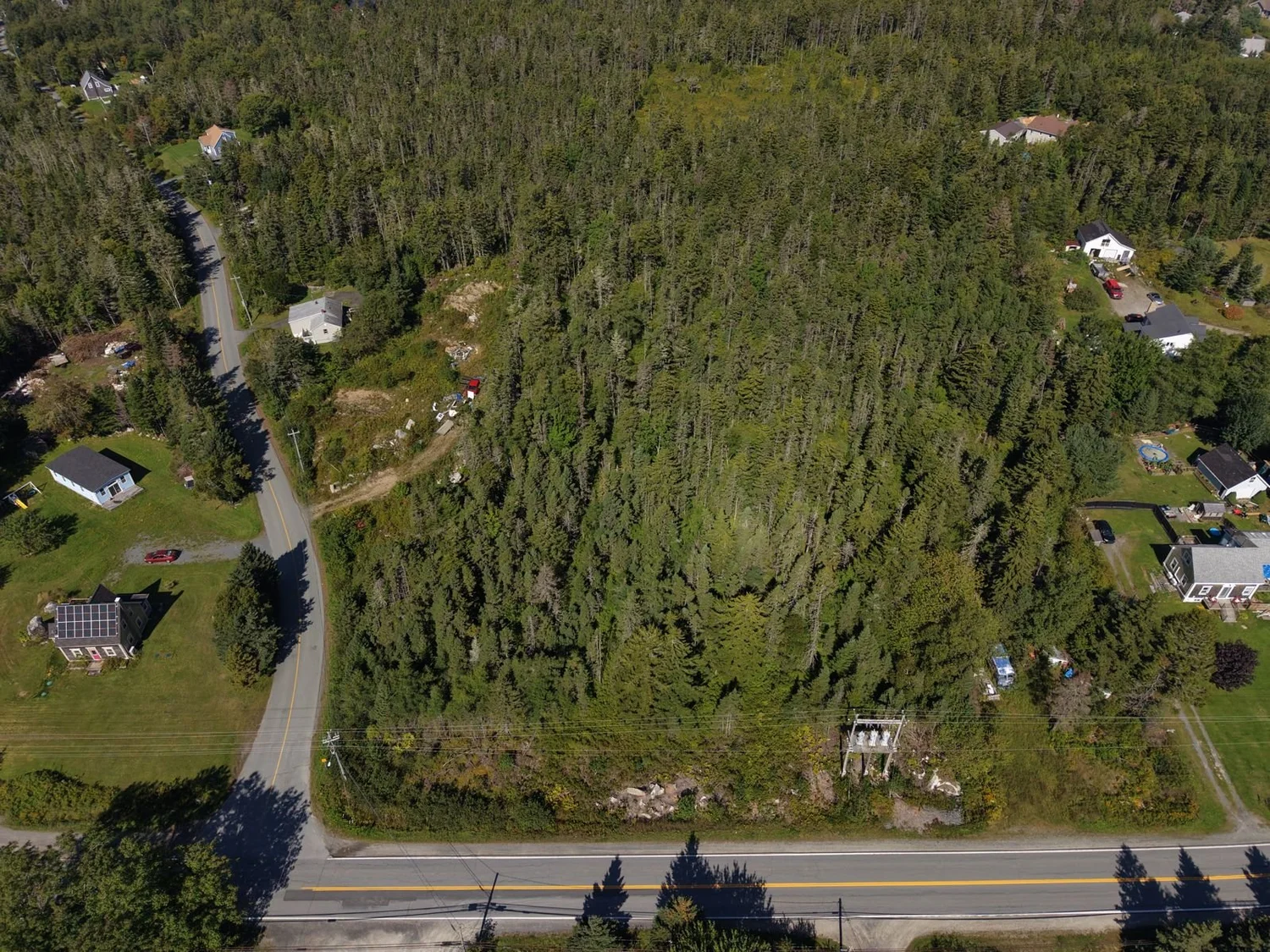
A lot of land buyers are from out of province, and they shop from a screen long before they drive the road. Land I list gets aerial photos and video from my own drone, the lines drawn on the aerial wherever the plan allows it, and the answers buyers need up front: access, services, zoning and what's already been tested. The people who book a walk are then the ones who are already serious.
Common Questions
Questions I get about selling land
Can I sell land that hasn't been migrated?
Yes. Your lawyer migrates it into the land registration system before the deed registers. It's the first thing I ask about, because it can add weeks to a closing if nobody starts it early.
Do I need a new survey?
Not always. A survey helps when the deed description is old or vague, when the boundaries are in question, or when a buyer's lender asks for one. Plenty of rural parcels sell on an existing plan.
Should I subdivide before selling?
Sometimes it adds value. Often it just adds cost and time, and possibly HST. I'd rather show you what the whole parcel is likely to bring and what the lots might bring, and let you decide.
Which areas do you cover?
St. Margarets Bay, Peggy's Cove and Hubbards through Chester, Mahone Bay, Lunenburg, Bridgewater, Liverpool and South Queens, including the Aspotogan, Blue Rocks and the LaHave Islands. I live on St. Margarets Bay and work out of the Royal LePage Atlantic office in Mahone Bay.
Start With the PID
Thinking about selling a piece of land?
Send me the PID or the civic address. I'll pull the records, look at what's sold nearby, and tell you what I think it's worth and what would need sorting first.